Two developers and Claude are building a living city game.
Lowpoly Lads is a two-person studio. We build CityHunt, a multiplayer hide-and-seek game set in a real city, with Claude as our full-time development partner. We started on 8 October 2026.
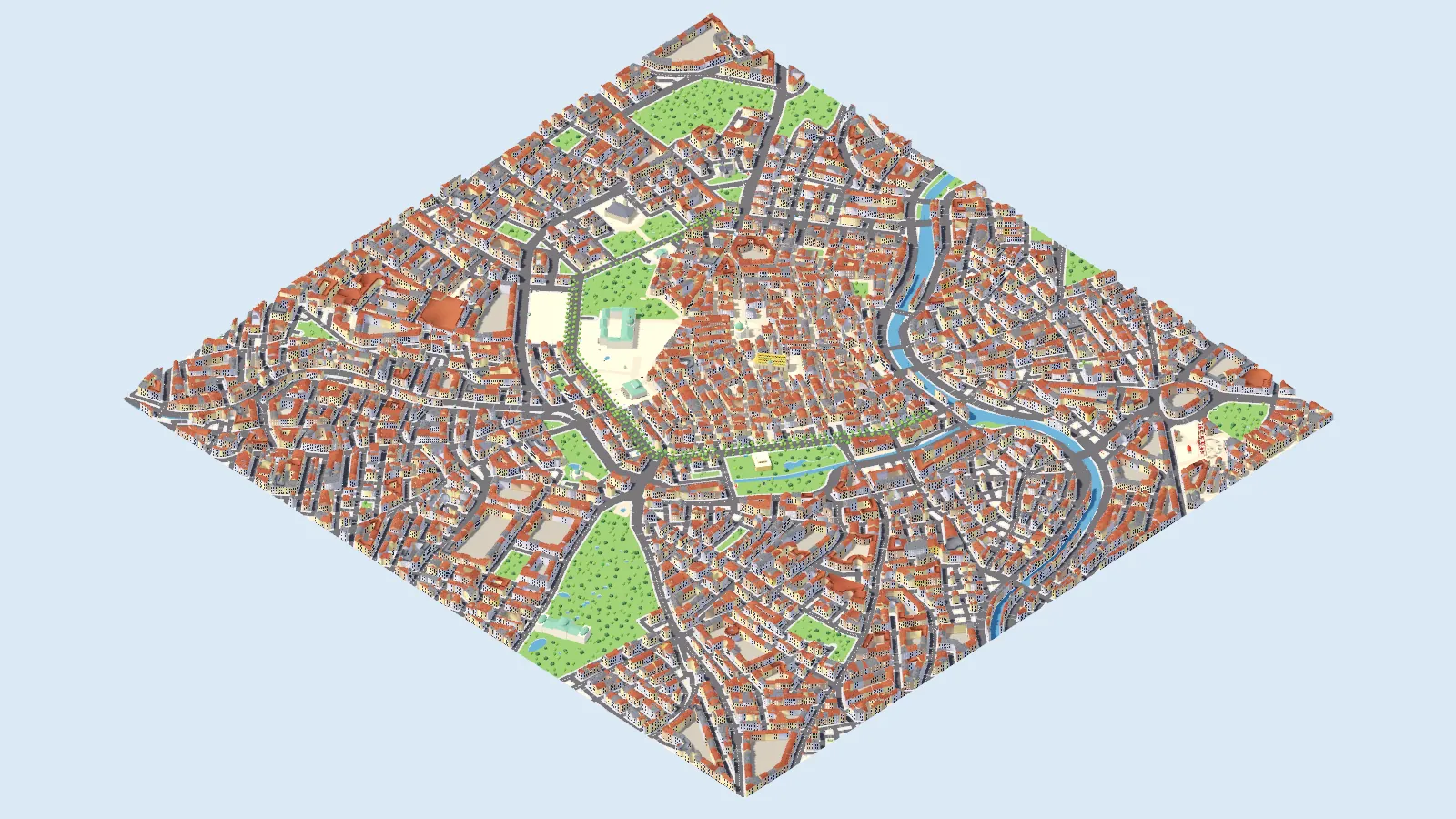
A city you can hide in.
CityHunt is an asymmetric multiplayer game for PC. A few hunters track a group of players through a living city. The hunters only see delayed location pings. Everyone else blends into the crowd, takes the underground, sits down in a café and hopes nobody looks twice.
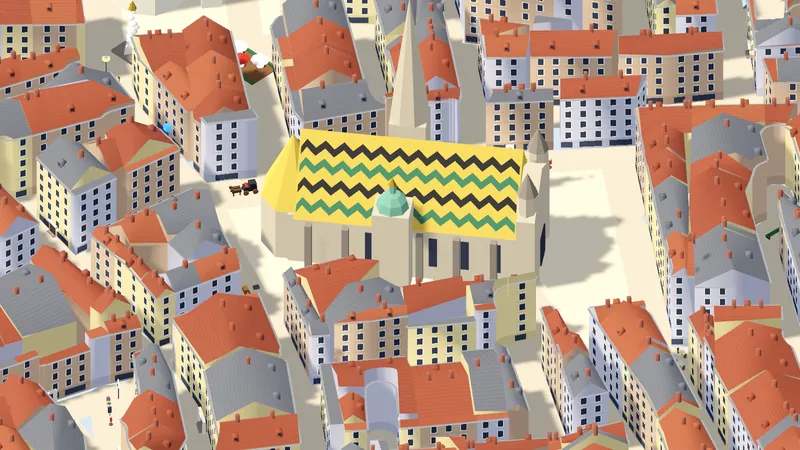
A real city, not a level
Streets, alleys, squares and passages come from OpenStreetMap. The first city is Vienna: 5,637 houses and 11 landmarks close to where they really stand.
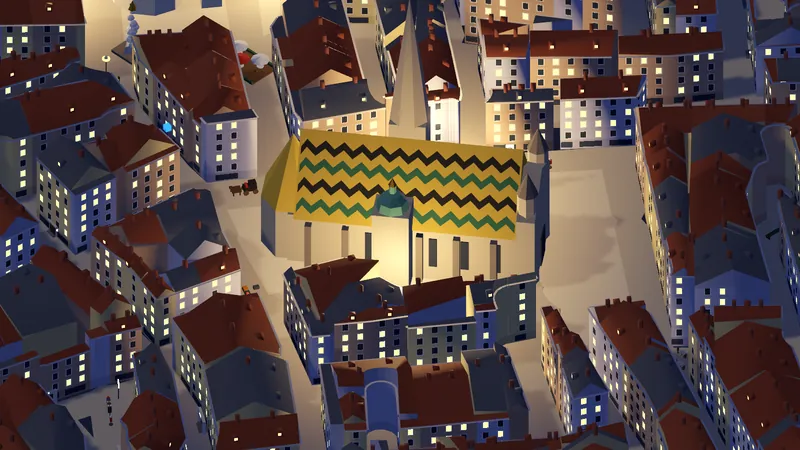
Life on the streets
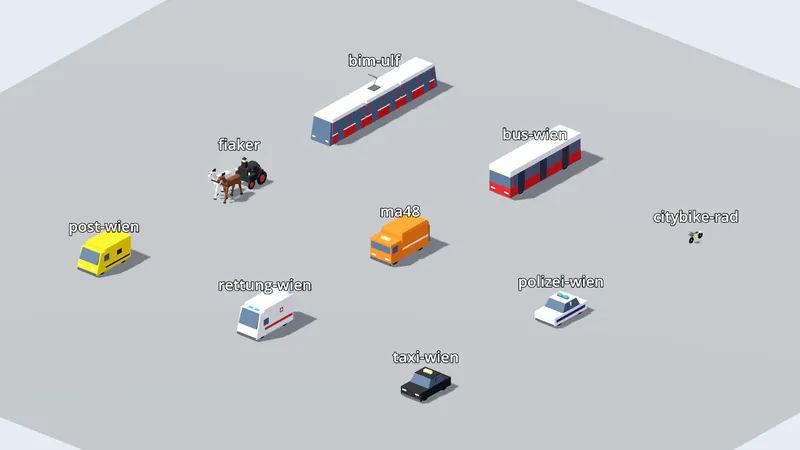
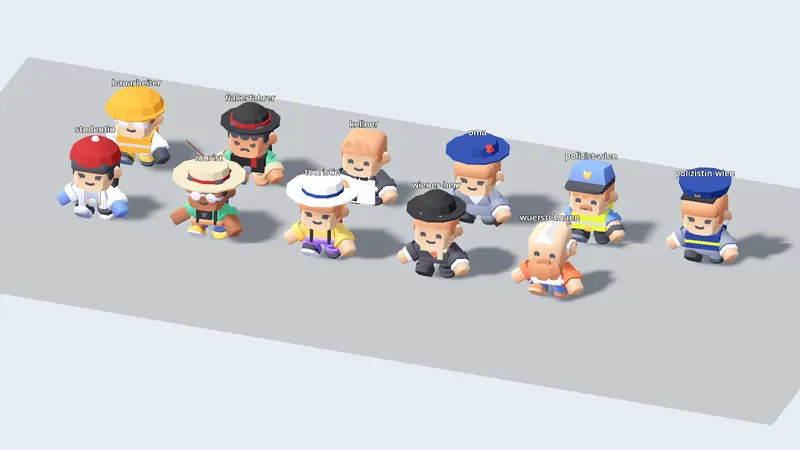
Pedestrians, traffic with working lights, and a day-night cycle: one real hour plays four in-game days.
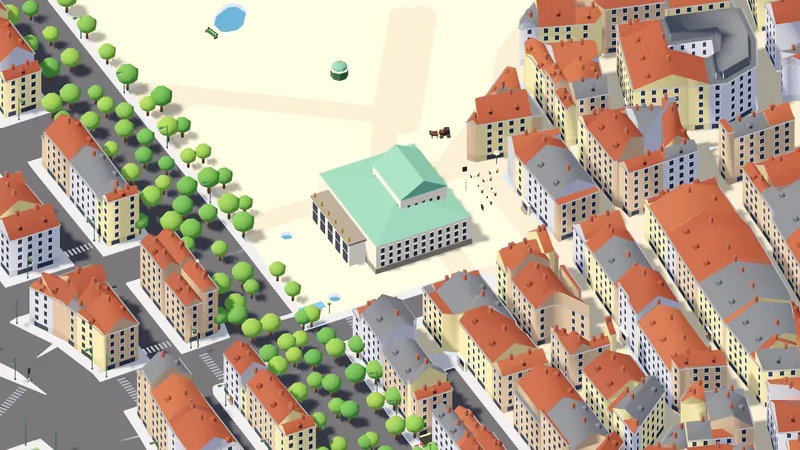
Choices with a cost
Hide in a bush, a doorway or a passage through a building. Pay for a coffee or a taxi and the hunters learn where you are.
How we work with Claude.
We don't use AI for a feature. We use it to build the game. Claude writes most of the code, the city generator, the 3D models and the sounds. We decide what the game should be and check every result.
We decide
- Game design, rules and what makes it fun
- Look, feel and sound direction
- Playtesting and the final call on every change
- Reviewing pull requests before anything reaches the main branch
Claude builds
- Engine code in Godot: pedestrians, traffic, lighting, controls, tests
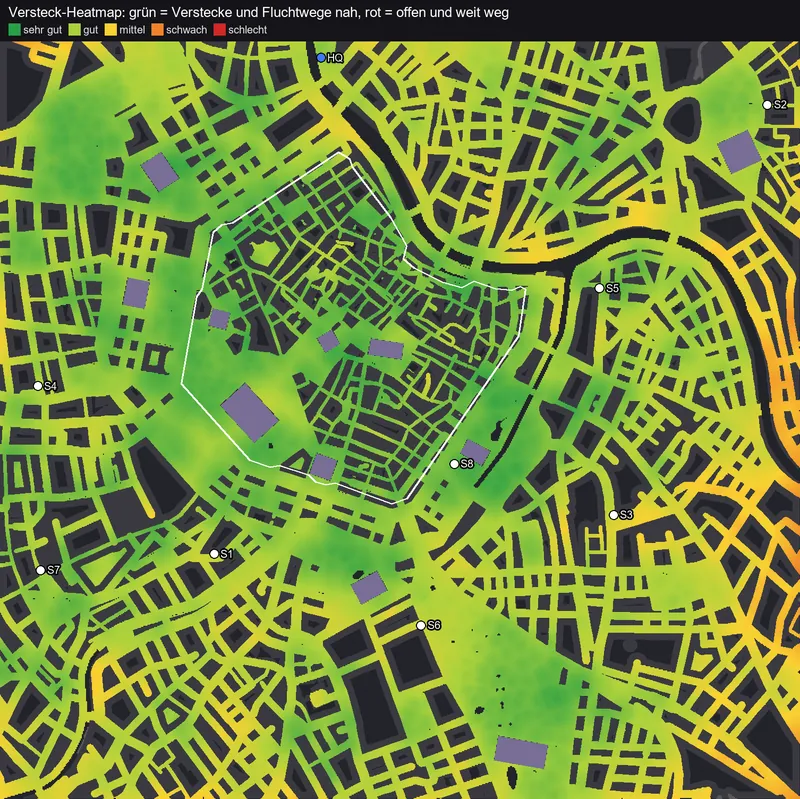
- The city from OpenStreetMap, checked by its own validation scripts
- 3D models built in Blender by script: landmarks, vehicles, street furniture
- 31 sounds synthesised from scratch, from tram bells to the cathedral bell
- Balancing analysis, documentation in our shared notes, and the pull requests
What exists today.
Every date and number below comes from our repository and test runs.
-
The idea, and the first build that evening
- Concept on Discord, first prototype started the same night.
-
A living city prototype
- Click-to-move player with sprint and stamina, isometric camera.
- Pedestrians on a sidewalk network that cross at zebra crossings.
- Traffic that stops for pedestrians, red lights and the car ahead.
- Real sun and moon path, street lights at night.
1,000pedestrians at about 100 FPS10automated test modes -
Vienna, generated
- The whole city from OpenStreetMap, baked into one scene with collision and navigation.
- Landmarks, vehicles, pedestrians, street furniture and sounds in a Viennese look.
- Game data for actions like hiding, the underground, bike rental and taxis.
- Fair start points: hunters need 80 to 108 seconds to reach any of them.
5,637houses893places to use75walk-through passages31sounds
Where we honestly stand: the city and its systems run. Roles, pings and multiplayer are next, so there is no playable match yet.
What we're looking for.
We're applying to startup programmes to turn a fast prototype into a game people can play together.
Capacity to keep building
Claude is our third team member. Credits and higher limits let us keep this pace through multiplayer and the first playtests.
Exchange with people who know
Feedback on AI-driven development, and on using models inside the game, for example witnesses you can question.
Early players
Groups who want to test hide-and-seek in a real city and tell us what works.
Who we are.
Two friends who have been AI enthusiasts for years. At some point we asked ourselves: why not point all of it at something we'd love to play?
Kenny had the idea: take Manhunt, the chase game you play on real streets, and turn it into a proper video game. It started as a fun side project. A few days in, we're hooked on making games, and Claude is how two people get to build at the pace of a whole studio.
Kenny
Came up with CityHunt. Builds the Vienna map, the look and the sound of the game together with Claude.
Dave
Builds the engine: pedestrians, traffic, time and lighting, and next the multiplayer.
Claude
Writes code, generates the city, models and sounds, and documents the work. Every change goes through review.
Let's talk.
Startup programme, partnership or playtesting: write to us and we'll reply personally.